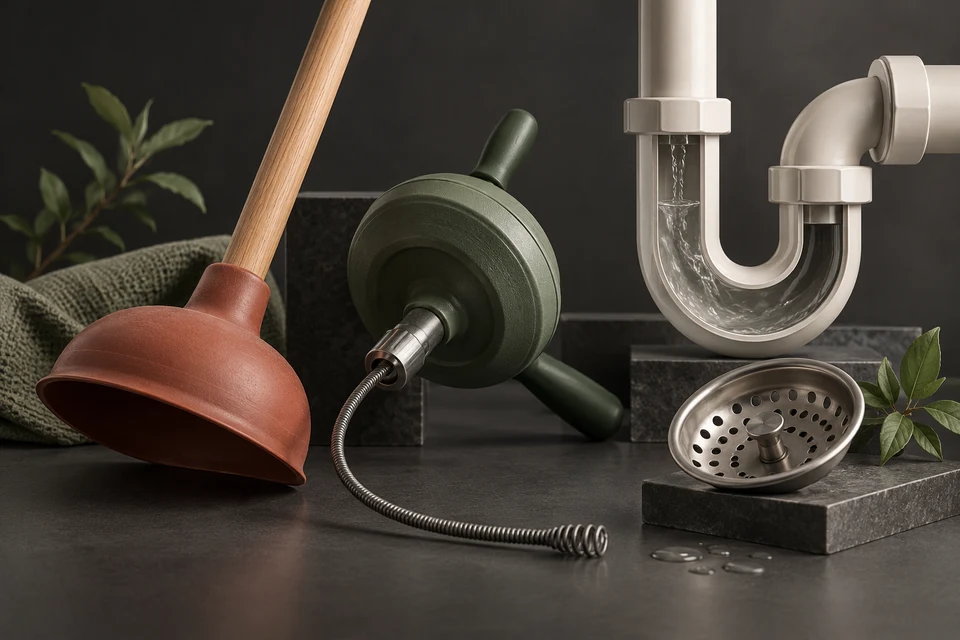
The best drain unclogger is the simplest tool that reaches the clog. For most sink and tub clogs that means cleaning the strainer, then a plunger or a barbed plastic hair tool, then opening the trap, then a small hand auger. Chemical drain cleaners are a poor first choice: they are hazardous, can harm older pipes and seals, and rarely clear a main line.
- Work from the top down: strainer, plunger or hair tool, trap, hand auger, then a professional.
- Most bathroom clogs are hair and soap within 30 cm of the drain opening; a two-dollar tool often beats any bottle.
- Chemical cleaners create heat and caustic or acidic water that can injure you or the next person who opens the drain.
- Enzyme and bacterial products are for slow maintenance, not for a stopped drain.
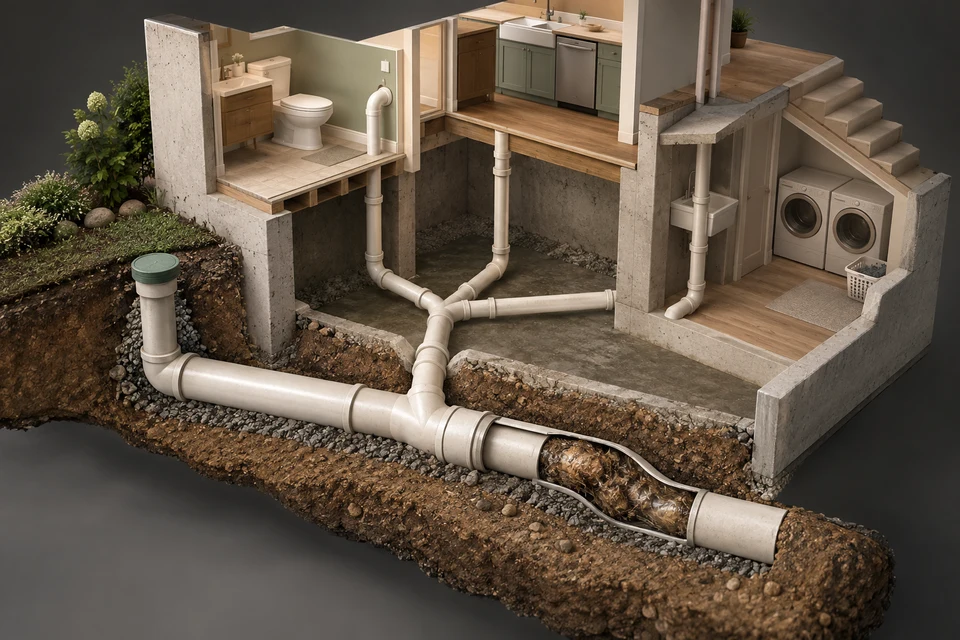
- Several fixtures misbehaving together is a main line problem; no product under the sink will fix it.
01 /What is the best drain unclogger for a sink or tub?
For a bathroom sink, tub or shower, the best unclogger is usually a barbed plastic hair tool or a cup plunger, used after you have cleaned the strainer or stopper. Most of these clogs are hair bound with soap scum within a short reach of the drain opening, so a tool that grabs and pulls beats anything that tries to dissolve.
For a kitchen sink, the answer is different, because the clog is usually grease and food further down the branch. Plunge first with the other bowl plugged, then open the trap, then use a hand auger into the branch if needed. If the kitchen sink clogs again within weeks, the branch needs cleaning, not more plunging.
02 /What order should you try tools in?
Start with the least invasive tool that could plausibly reach the clog, and stop at the first one that restores full flow. Skipping ahead wastes money, and skipping straight to chemicals makes every later step more dangerous.
| Step | Tool | Works on | Skip it if |
|---|---|---|---|
| 1 | Clean the strainer, stopper or drain catcher | Hair and debris at the opening | There is no visible debris and the stopper is out |
| 2 | Barbed plastic hair tool | Hair and soap in the tailpiece | It is a kitchen sink or a toilet |
| 3 | Plunger (cup for sinks, flange for toilets) | Soft clogs in the trap or first metre | You have used a chemical cleaner in the last day |
| 4 | Remove and clean the P-trap | Sink clogs in the trap itself | The trap is old metal that may not go back together |
| 5 | Hand auger (drain snake) into the branch | Clogs past the trap in the branch drain | Several fixtures are affected |
| 6 | Closet auger | Toilet clogs | The toilet overflows on every flush and other drains gurgle |
| 7 | Professional drain clearing | Branch lines beyond reach, and all main line clogs | Never skip this if the basement floor drain is involved |
03 /What is the best drain cleaner you can buy?
For a stopped drain, the best cleaner is a mechanical one: a plunger, a hair tool or an auger. Chemical drain cleaners are sold as the easy answer, but they are the option most likely to hurt someone and least likely to clear anything beyond a sink trap.
- Caustic (alkaline) cleaners rely on lye and heat to break down hair and grease. They can soften old plastic traps, attack rubber seals and burn skin and eyes.
- Acid cleaners are stronger still and are generally intended for professional use. They can etch porcelain and damage older metal pipe.
- Oxidizing cleaners such as bleach-based products can react dangerously when mixed with other cleaners.
- Enzyme and bacterial products are slow. They can help keep a grease-prone drain from narrowing when used regularly, but they do not open a blocked drain.
The City of Calgary lists bleach, ammonia and disinfectants among the hazardous items to keep out of drains, alongside pool chemicals, paints and petroleum products. The practical problem is simpler: a drain full of chemical that did not work is now a hazard for whoever has to open the trap or run a cable next, which may be you.
04 /How do you clean a drain catcher or sink strainer?
A drain catcher is the cheapest clog prevention in the house, and it only works when it is emptied and cleaned. Clean hair catchers weekly in busy showers and kitchen strainer baskets daily.
- Lift it out
Pull the catcher, basket strainer or pop-up stopper straight up. Many pop-up stoppers release with a quarter turn or by loosening the pivot rod nut under the sink.
- Bin the debris
Tip hair and food into the garbage, not back down the drain. A paper towel makes this less unpleasant.
- Scrub the mesh
Use an old toothbrush and hot, soapy water. For a greasy kitchen basket, a few minutes soaking in hot water with dish soap loosens the film.
- Deal with scale
If the mesh is crusted with white mineral scale from hard water, soak it in white vinegar for 30 minutes and brush again.
- Check the opening
With the catcher out, look into the drain with a flashlight. Pull out any hair wrapped around the crossbar with a hair tool before replacing the catcher.
05 /How do you clean a draining board drain?
A draining board, whether a dish rack tray with a spout or a grooved drainboard beside the sink, collects the same soap, food and mineral residue as a drain, just more slowly. When the spout or channel stops emptying, water sits, smells and grows a pink or black film.
- Remove the tray or rack and tip out standing water.
- Push a pipe cleaner, bottle brush or old toothbrush handle through the spout to clear the opening.
- Soak the tray in hot water with dish soap and a spoonful of baking soda for 15 minutes, then scrub the channels.
- For white scale, wipe the channels with white vinegar, let it sit, then rinse.
- Dry fully, and angle the spout so it drains straight into the sink bowl rather than onto the counter.
- On a sink with a built-in drainboard, clear the grooves with a brush and make sure water flows toward the bowl; a sink that has shifted can leave water pooling.
None of this should go into the drain as a slurry. Scrape debris into the garbage first, and remember that the sink drain the tray empties into is part of the same kitchen branch that grease loves.
06 /When should you stop and call someone?
Stop when the problem is bigger than one fixture, or when the tools are no longer the right size for the job.
- Two or more fixtures are slow together, or the basement floor drain gurgles or wets.
- A toilet overflows even after a closet auger has gone through the trapway.
- The kitchen sink clogs again within a few weeks of clearing.
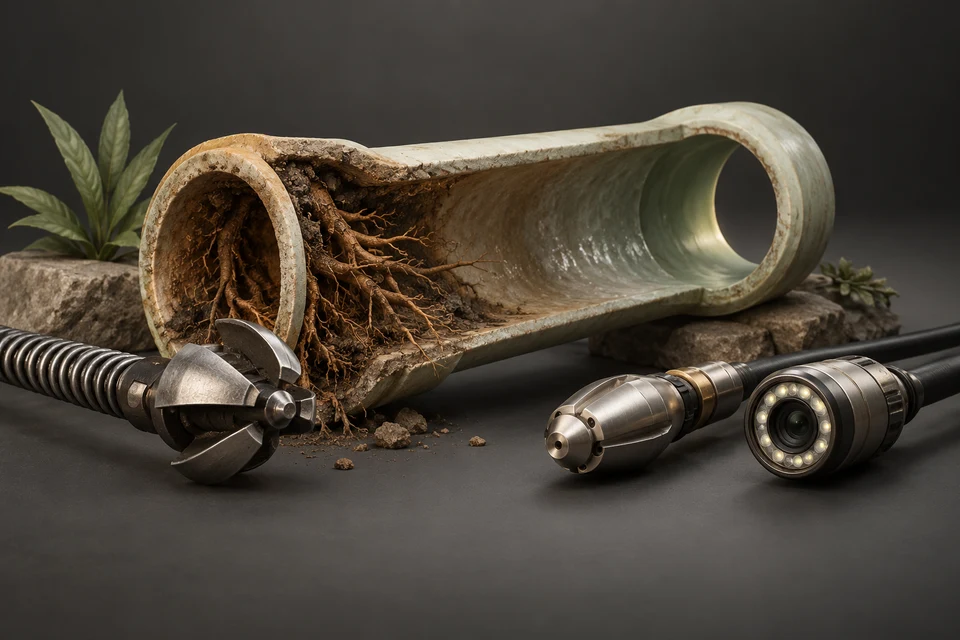
- The auger meets something hard it cannot pass, or comes back with roots.
- You have already used a chemical cleaner and the drain is still full.
- You can smell sewer gas in the house.
For those, the Calgary main line clog guide explains what is likely going on, and drain cleaning in Calgary explains which service to book. If you want a local contractor, request a quote.
FAQQuestions people ask
What is the best drain unclogger for hair?
A barbed plastic hair tool, used after removing the stopper or catcher. It pulls hair out rather than pushing it deeper, and it works in most bathroom sinks, tubs and showers.
Does baking soda and vinegar unclog drains?
It fizzes, which can loosen light film near the opening, but it will not clear a real clog of hair, grease or paper. A plunger or hair tool is more effective.
Is boiling water safe to pour down a drain?
Hot tap water is fine. Boiling water can soften plastic traps and joints and can crack a porcelain toilet bowl. And any grease it loosens simply sets again a few metres downstream.
Are enzyme drain cleaners worth it?
For regular maintenance of a grease-prone kitchen drain, they can help slow buildup. For a stopped drain, they are too slow; use a mechanical method.
Which drain unclogger is safest for older pipes?
Mechanical tools: a plunger, a barbed hair tool, or a hand auger used gently. Older homes may have metal traps, cast iron branches or aged rubber couplings that caustic and acid cleaners can attack, so avoid chemicals entirely on a line you have not seen.
How do I clear a toilet if the plunger does not work?
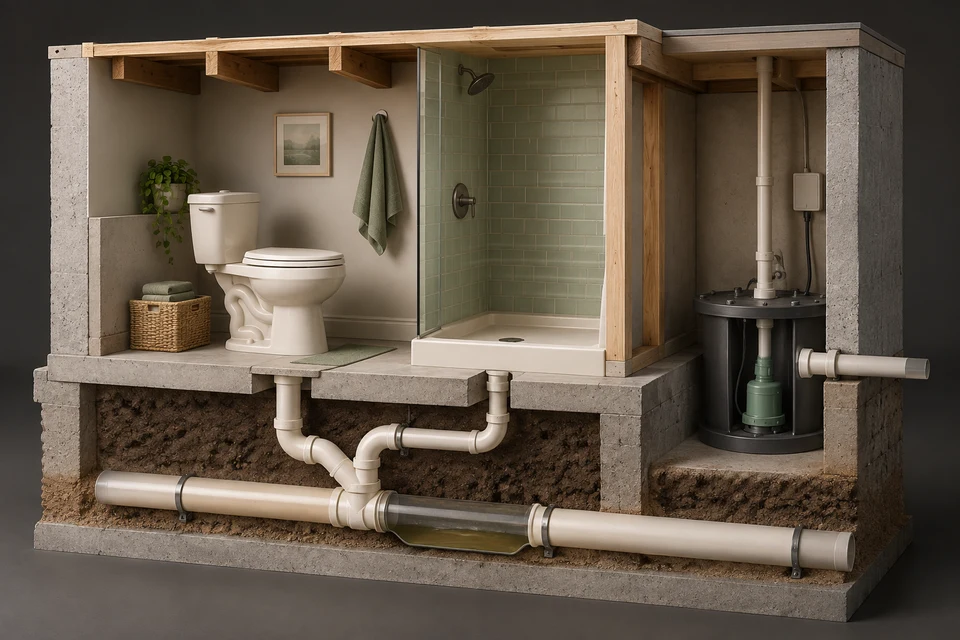
Use a closet auger, which has a protected bend that feeds a short cable through the toilet's trapway without scratching the porcelain. If the bowl still will not drain, or other fixtures gurgle when you flush, the clog is further down and needs a drain contractor. A basement toilet that bubbles when upstairs fixtures run is a different problem, explained in basement toilet and shower backups.
Can I use a drain cleaner on a main sewer line?
No. A main line clog is too far away and too large for a bottle to reach, and the chemical ends up in water that a technician or City crew later has to open. Call a drain contractor, or 311 if you suspect the City side.
NETWORKGo deeper across the HAUSE Sewer network
Which drain cleaner is safe for toilets, septic systems, RVs and garbage disposals?
What drain cleaner is safe for toilets, septic systems, RVs, garbage disposals and hair clogs, and when a closet auger or hydro jetting is the better fix.
PipeCleaning.caEnzyme and bacterial drain cleaners: what they can and cannot do
Enzyme and bacterial drain cleaners explained: how they digest grease and organic film, what they cannot clear, how to dose them, and when to use them.
DrainAugering.caHow to snake a bathtub or shower drain
How to snake a bathtub or shower drain: clear hair at the stopper, feed cable through the tub overflow, reach the shower trap, and spot a branch clog.