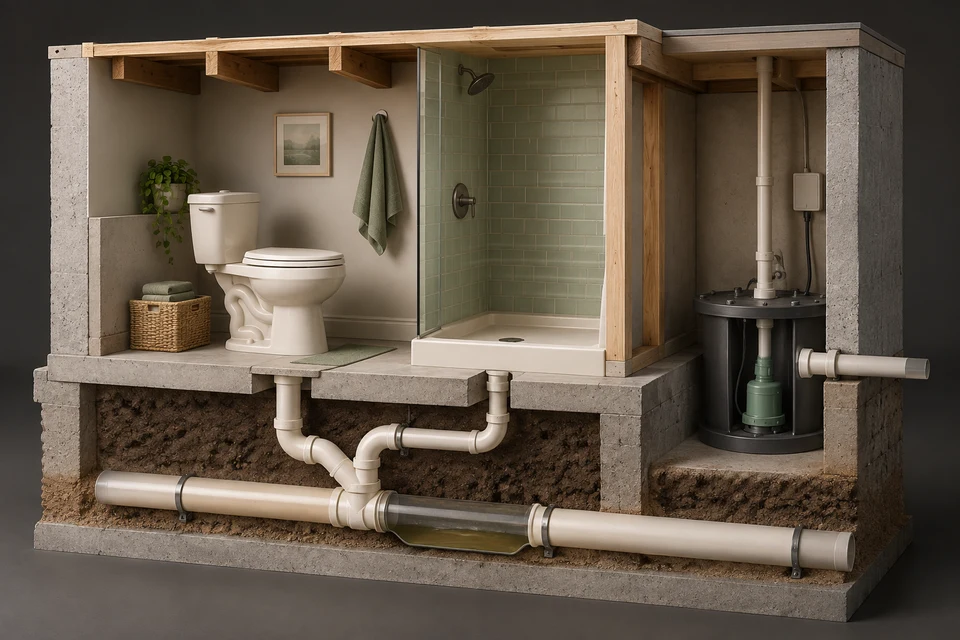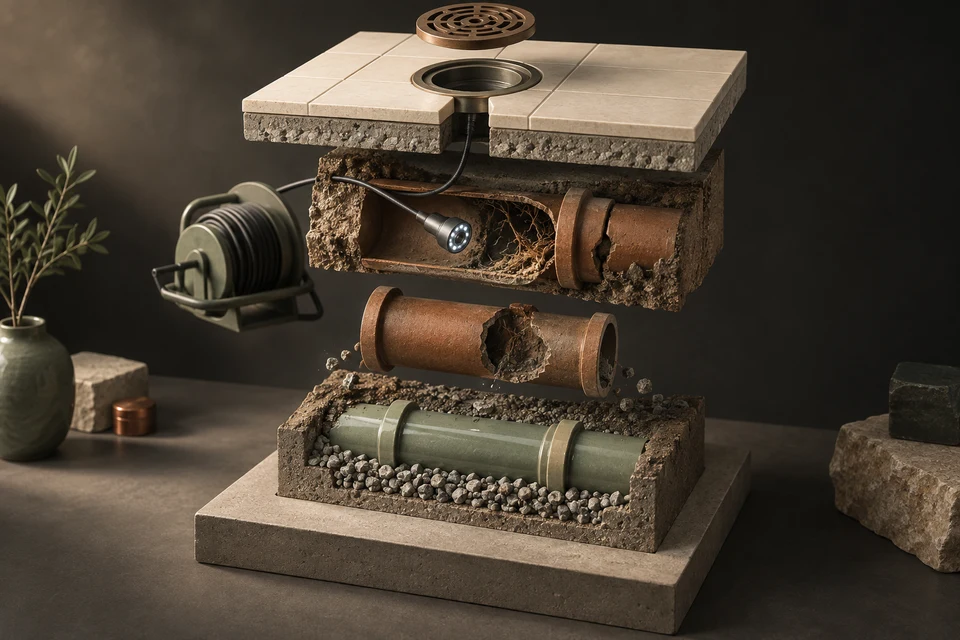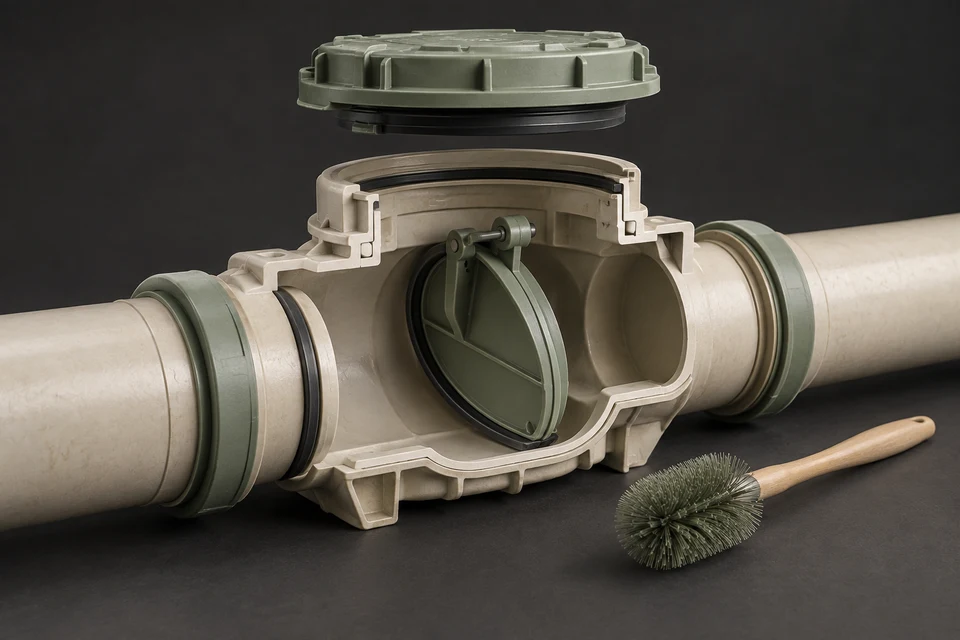
The City of Calgary says a full port backwater valve on the main building drain needs servicing once a year, while valves on individual branches do not need annual servicing. Most valves have a clear lid for a quick look. Service before storm season: open the access, clear debris from the flap and seat, check it swings freely, and reseal the cover properly.
- Know which valve you have: the City says a full port valve on the building drain needs annual servicing, branch valves do not.
- A clear lid allows a visual check at any time; a hands-on clean belongs in dry weather with no water in the chamber.
- The two failure modes are opposite: stuck open lets a surcharge in, stuck shut backs your own wastewater up.
- Tell every drain technician about the valve before they start, and check it is reassembled before they leave.
- Under a City advisory, a normally open valve should not serve more than one dwelling unit, which matters for basement suites.
01 /What does backwater valve maintenance involve?
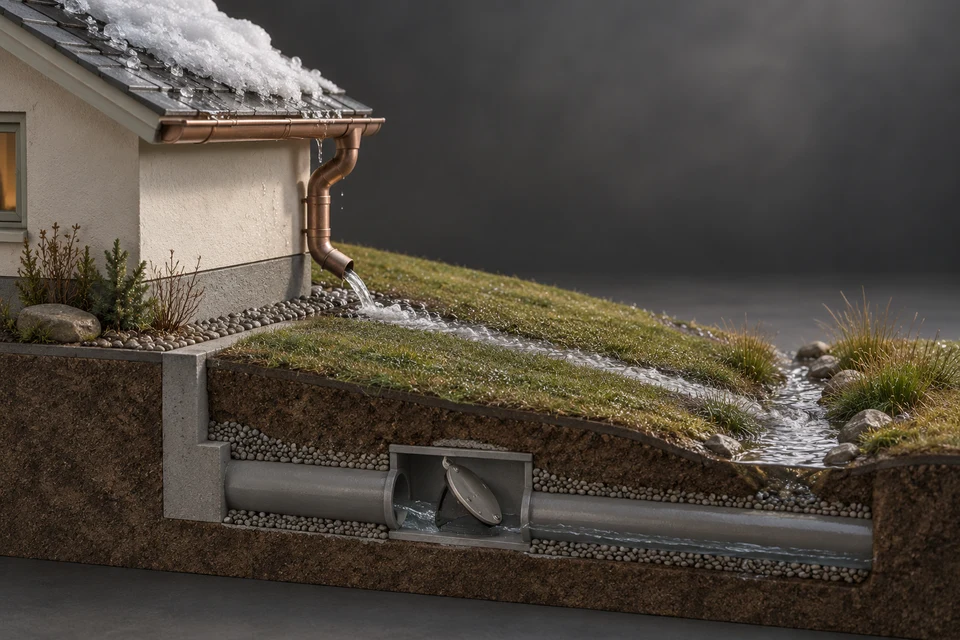
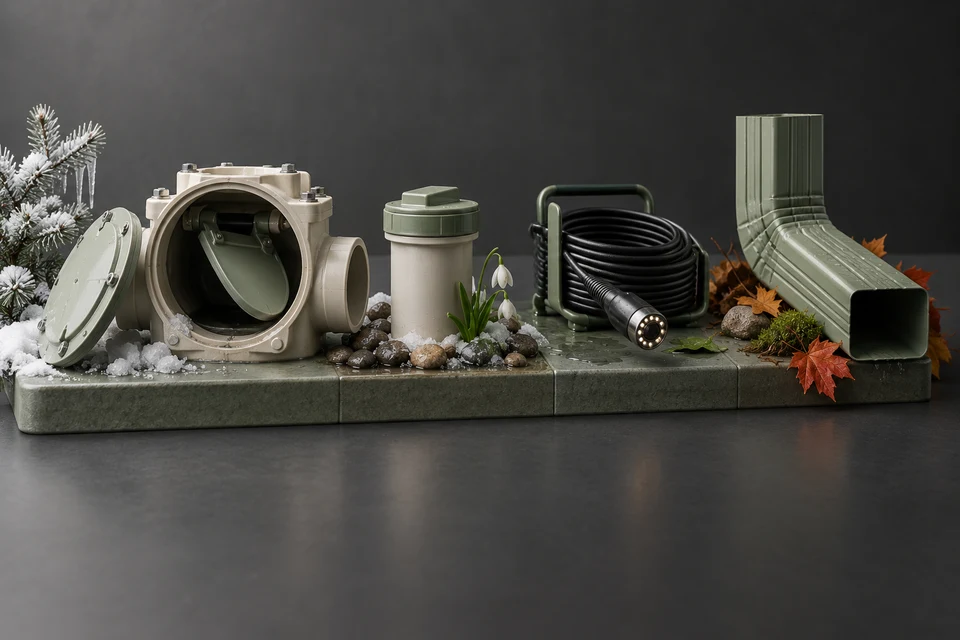
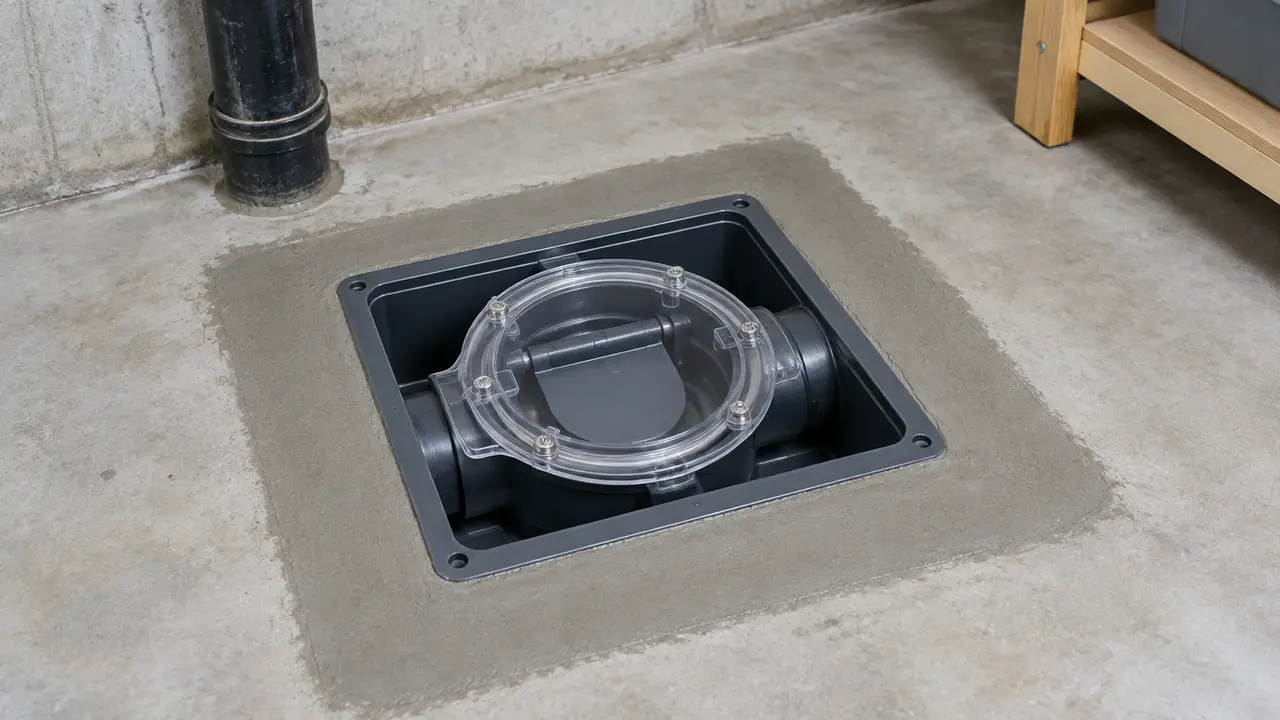
Maintaining a backwater valve means keeping its flap or gate free to move, its seat clean enough to seal, and its access cover tight. The City of Calgary's home maintenance guidance says the full port backwater valve, the kind installed on the main building drain, needs servicing every year so it stays in working order, and notes that most valves have a clear lid so you can look inside without opening anything.
The Government of Canada's flood guidance recommends a professional inspection at least once a year, in the spring, and describes the owner-level routine as opening the inspection chamber and cleanout cap, checking for debris, flushing with hot soapy water to shift grease, confirming the flap moves freely, and closing the cap tightly. In Calgary the obvious slot is March or April, after snowmelt starts and before the storm season that runs through the summer.
Maintenance is not the same as a repair. If the body is cracked, the flap is missing, or the cover will not seal, that is replacement work, and altering the drainage system brings in the City's plumbing permit rules.
02 /Which kind of valve do you have, and what does each need?
Most Calgary houses with protection have one of three arrangements, and the maintenance load differs between them. Look at where the access cover sits and what the label on the valve body says.
| Arrangement | Where it sits | Annual service | Typical trouble |
|---|---|---|---|
| Full port mainline valve, normally open | On the building drain, in a floor box near the front wall | Yes, per the City's home maintenance guidance | Paper, wipes or grease holding the flap open or shut |
| Branch valves | On the pipe serving a floor drain or basement fixture group | The City says branch valves do not require annual servicing | Rarely reached; forgotten under flooring |
| Floor drain insert or check device | Pushed into the floor drain opening | Check whenever you check the floor drain | Float stuck by sediment; blocks the drain when dirty |
| Normally closed valve | On a branch or drain, opens only to let wastewater out | Follow the maker's instructions | Flap held open by debris; slow draining |
A normally open valve sits open in everyday use and closes only when flow reverses. A normally closed valve stays shut and opens only in the outward direction when wastewater passes. Both depend on the same thing: a flap that can move and a seat it can seal against. If you cannot tell which you have, a drain contractor can identify it on the next visit; note the brand and model in your house records.
03 /How do you check a backwater valve yourself?
A clear-lid look takes a minute and is safe any time. A hands-on check should wait for a dry day, with nobody using water, and with the chamber below the flap empty. If you see standing sewage above the flap, stop: the line downstream may be blocked or the main may be surcharged.
- Pick the moment
Dry weather, no rain forecast, and everyone told not to run water or flush for the next half hour.
- Dress for it
Rubber gloves and safety glasses at minimum. Wastewater residue carries bacteria, and grease on the flap splashes when disturbed.
- Look before you open
Through the clear lid, confirm there is no standing water above the flap and no debris wrapped around the hinge.
- Open the access cover
Undo the cover as the label directs. Keep the gasket or O-ring clean and set it aside where it will not pick up grit.
- Clear and flush
Lift out paper or wipes with a gloved hand or tongs. Flush the flap and seat with hot soapy water to loosen grease; do not use chemical drain cleaners, which can attack seals.
- Test the movement
The flap should swing freely through its full range and sit squarely on its seat. Any float or counterweight should move without binding.
- Reseal properly
Seat the gasket, tighten the cover evenly and check the lid is on straight. A loose cover can leak sewer gas or wastewater in a surcharge.
- Run water and watch
Run a tap upstairs for a minute and confirm water passes the valve without rising in the chamber.
04 /What should a professional backwater valve service include?
A proper service visit ends with evidence that the valve both opens and closes, not just a note that it was cleaned. Ask for the items below and the date on the invoice, which also serves as a maintenance record for your insurer.
- Cover removed, flap and seat cleaned, hinge and any float or counterweight checked for free movement.
- Gasket or O-ring inspected and replaced if flattened, cracked or missing.
- A closure test, simulating reverse flow or checking the flap seats fully by hand, as the maker's instructions allow.
- The cleanout cap on or beside the valve checked and reseated.
- A note of anything that points downstream, such as scale, roots or grease reaching the valve from the building drain.
- Optionally, a camera run from the valve's cleanout port toward the main on an older line.
As a 2026 planning estimate, a backwater valve inspection and cleaning in Calgary typically quotes about $100 to $250, more when the access cover is under flooring. Adding it to a scheduled drain cleaning visit usually costs less than a separate call. Full ranges are on the Calgary service call cost page.
05 /What goes wrong with backwater valves in Calgary homes?
Most faults show up as one of two opposite symptoms: water getting in during a storm, or water not getting out on an ordinary day. The table matches common symptoms to the usual cause.
| Symptom | Usual cause | What to do |
|---|---|---|
| Basement flooded in a storm even though a valve is fitted | Flap held open by debris, or the flooded fixture joins the drain downstream of the valve | Service the valve; ask a contractor to confirm which fixtures it protects |
| Floor drain or basement shower slow on dry days | Flap stuck partly closed, or a floor drain check device clogged | Clean the valve or insert; camera if it recurs |
| Wastewater rising in the valve chamber with nothing running | A blockage downstream of the valve, or a surcharged main | Stop water use; call 311 if it is raining or neighbours are affected |
| Sewer smell near the valve box | Loose cover, flattened gasket or cracked lid | Reseat or replace the gasket; replace a cracked lid |
| Valve works but backups keep coming | The cause is a clog or defect in your own line | Clear and camera the line; the valve is not the fix |
| Access cover buried under new flooring | Basement development without an access hatch | Add a removable panel so the valve can be serviced and the City crew can reach the cleanout |
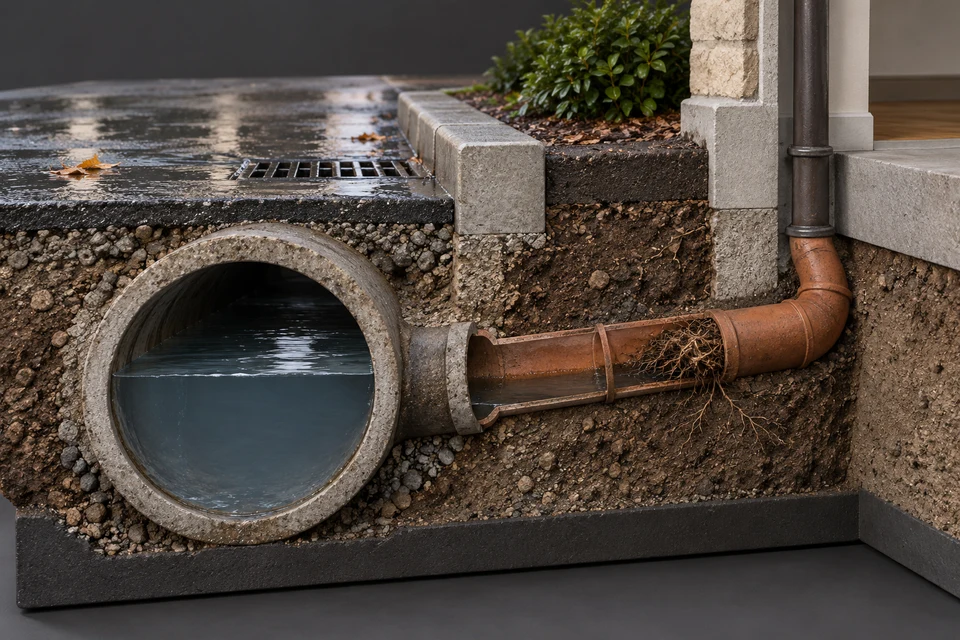
The fifth row catches out many Calgary owners: a valve can only protect against the City's main. When the backup is from your own blockage, a closed valve simply traps your wastewater in the house. Storm surcharge or private blockage explains how to tell the two apart.
06 /What do Calgary rules say about backwater valves and basement suites?
Calgary Building Services published an advisory on October 4, 2022, reminding builders, designers and installers that the National Plumbing Code 2020 requires fixtures below the level of the adjoining street, where subject to backflow, to be protected. It states that a normally open backwater valve may be used on a building drain or branch provided it does not serve more than one dwelling unit, and that a secondary suite counts as a separate dwelling unit.
For existing houses, the advisory says that where a normally open valve serves more than one dwelling unit, it may be necessary to remove, reconfigure or add protection to meet the code. The City describes its advisory bulletins as having no legal status and not being an official interpretation, so treat this as a signal to ask questions, not as a ruling on your house.
- If you are adding or legalising a basement suite, ask the plumber how the suite's fixtures will be protected and include it in the permit scope.
- If you are buying a house with a suite, ask which fixtures the existing valve protects and whether it serves both units.
- Installing, moving or replacing a valve alters the drainage system; the City's permit page says a plumbing permit is needed when a system is constructed, extended or altered, while clearing a blockage needs none.
For the wider question of how basement bathrooms and suites back up, see basement toilet and shower backups in Calgary.
07 /How should a valve be handled during drain cleaning?
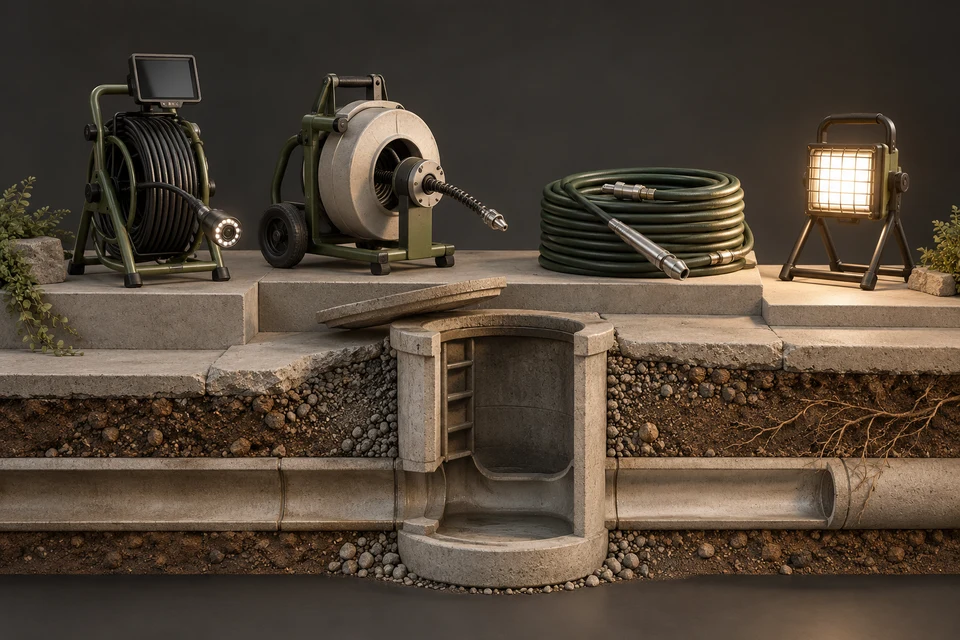
Tell the technician about the valve before any cable goes in. Many valves have a dedicated cleanout port so the line can be cleared without forcing a cable past the flap; feeding a spinning head through the flap can bend the hinge or tear the seal. Some technicians remove the flap temporarily to clear the line, which is fine only if it goes back in correctly.
Before the technician leaves, look through the clear lid yourself: flap present, seated, cover tight. Write the date on your maintenance record. If the City's crew comes for a backup, point out the valve and its cleanout when you show them the access; the City asks homeowners to disclose changes to the plumbing, and a valve is one of them.
The Calgary sewer season calendar adds valve reminders to your year when you tell it one is fitted. If you want a valve serviced or quoted, request local quotes and mention where the access cover sits.
FAQQuestions people ask
How often does a backwater valve need servicing in Calgary?
The City of Calgary says a full port backwater valve on the building drain needs servicing every year, and that valves on individual branches do not require annual servicing. Spring, before storm season, is the practical time.
Can a homeowner clean their own backwater valve?
Many owners do a basic clean on a dry day with gloves and eye protection, following the maker's instructions. Leave it to a professional if water is standing above the flap, the cover is seized or cracked, or you are unsure how to reseal it.
Is it normal to see water sitting in my backwater valve?
A little water passing through the valve body while fixtures drain is normal. Water standing above the flap, or rising in the chamber when nothing is running, points to a blockage downstream or a surcharged main.
Why does my basement smell near the backwater valve box?
Usually the access cover is not sealing: a flattened or missing gasket, uneven tightening, or a cracked lid. Reseating or replacing the gasket normally cures it; if it does not, have the valve checked.
Can one backwater valve protect both a house and its basement suite?
A 2022 City of Calgary advisory states that a normally open valve should not serve more than one dwelling unit, and that a secondary suite is a separate dwelling unit. Ask a plumber how your suite is protected and confirm through the permit process.
What does a backwater valve service cost in Calgary?
As a 2026 planning estimate, about $100 to $250 for inspection and cleaning, higher when the cover is under flooring. It is often cheaper as part of a scheduled drain cleaning visit.
NETWORKGo deeper across the HAUSE Sewer network
Backwater valve installation cost and municipal subsidies
Backwater valve installation cost in Canada for 2026: CAD ranges for unfinished and finished basements, line items, subsidy program patterns and insurance angles.
SewerCleaners.caWhat causes sewer backup, and how to tell which cause is yours
What causes sewer backup: roots, grease, wipes, sags, broken pipe, frozen lines and rain-overloaded city sewers, plus how to tell which one caused yours.
SewerJetting.caHow to use a drain jetter: a safety-first walkthrough for rental units
How to use a drain jetter or rented sewer jetter: setup, nozzle choice, feeding and pulling hose, and the stop rules that help prevent injection injuries.
SOURCESSources and further reading
- City of Calgary — Home maintenance (backwater valves, floor drains, sumps)
- City of Calgary Building Services — Advisory: Secondary suites, backwater valves, and protection from backflow (October 4, 2022, PDF)
- Government of Canada — Backwater valves
- City of Calgary — Homeowner plumbing and electrical permits