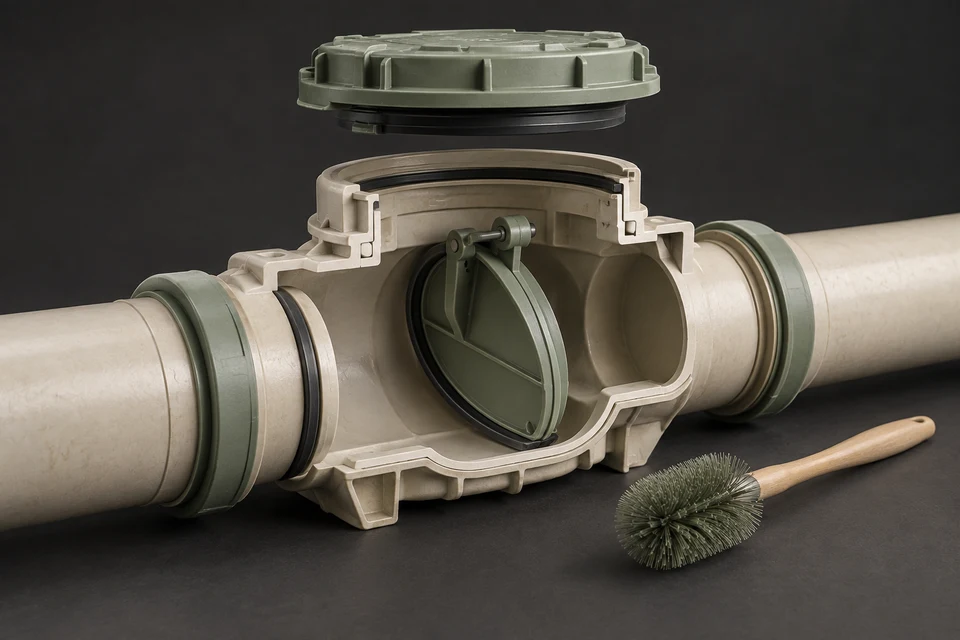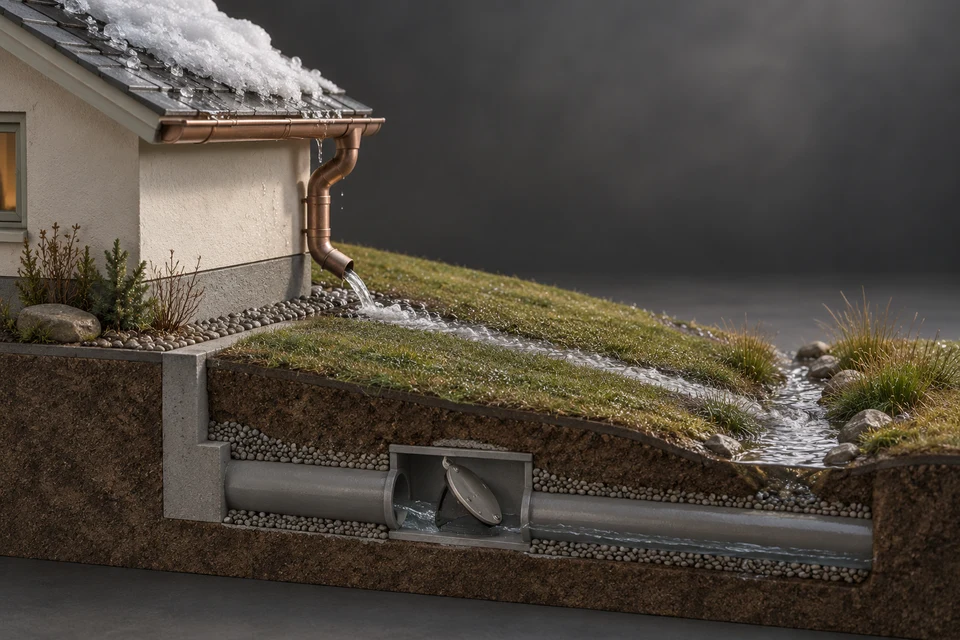
Calgary's backup risk climbs from spring melt through the summer storm and hail season. Before it starts, test the backwater valve, test the sump pump, clean gutters and extend downspouts at least six feet from the foundation, and clear the storm drain near your house. During a heavy storm, cut water use, especially if your backwater valve may be closed. Afterward, check the valve and report street flooding to 311.
- The pre-season checklist takes an afternoon: backwater valve, sump, gutters, downspouts, grading, storm drain.
- Hail and spring seed drop clog gutters and catch basins right when the heaviest rain arrives.
- A closed backwater valve protects you from the main but blocks your own drains; stop water use in a big storm.
- Homes near the Bow, Elbow, Nose Creek or West Nose Creek should check the City's rules on backflow prevention.
- After a storm, record what happened while it is fresh: it is evidence for 311, your insurer and your next contractor.
01 /Why does storm season bring basement backups in Calgary?
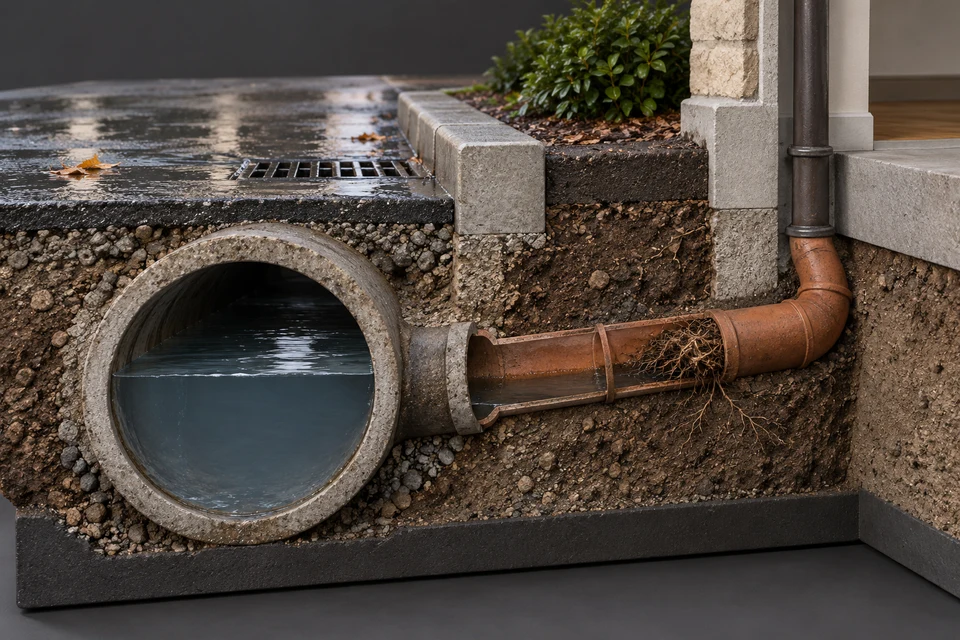
Because a lot of water arrives in a short time, and some of it gets into the sanitary system. Calgary's summer thunderstorms can drop heavy rain and hail in under an hour. The stormwater system handles street runoff, but rain also reaches sanitary pipes through cracked service lines, leaky joints, low manhole covers and connections that should never have been made. When enough of that enters, sections of sanitary main can run full and push back up house connections.
Hail adds a Calgary-specific problem. Calgary sits in one of Canada's most hail-prone regions, and a hailstorm strips leaves and plugs gutters, downspouts and catch basins with ice and debris at exactly the moment the rain peaks. Water that should have gone to the street ends up at the foundation or pooled over storm grates.
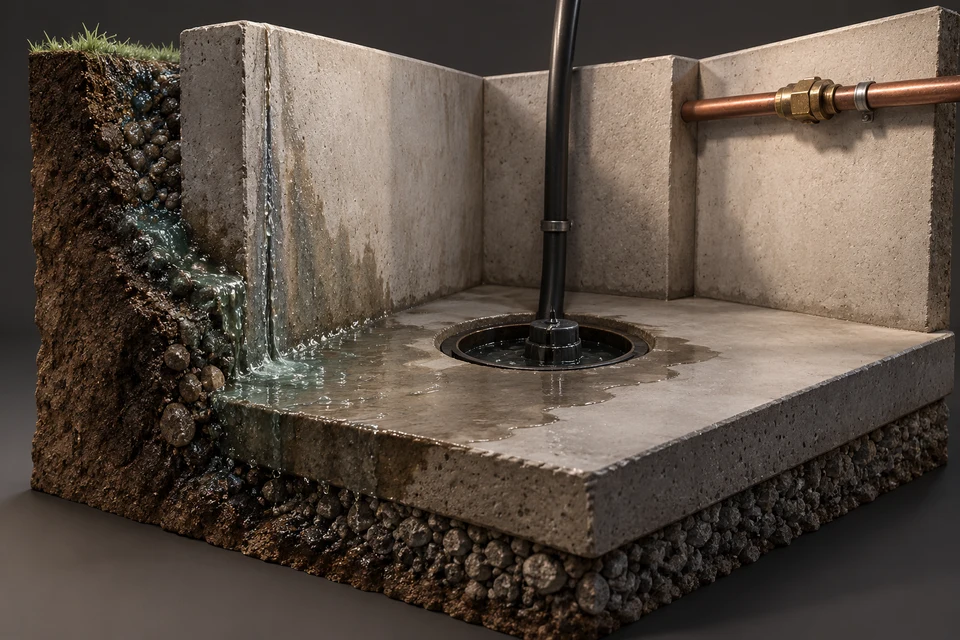
Spring melt comes first. Snowmelt raises groundwater around foundations and loads the drainage system for weeks. By the time storm season arrives, soil near the house may already be saturated.
02 /What should you check before the season starts?
Do this in April or May, after the snow is gone and before the first big storm.
- Test the backwater valve
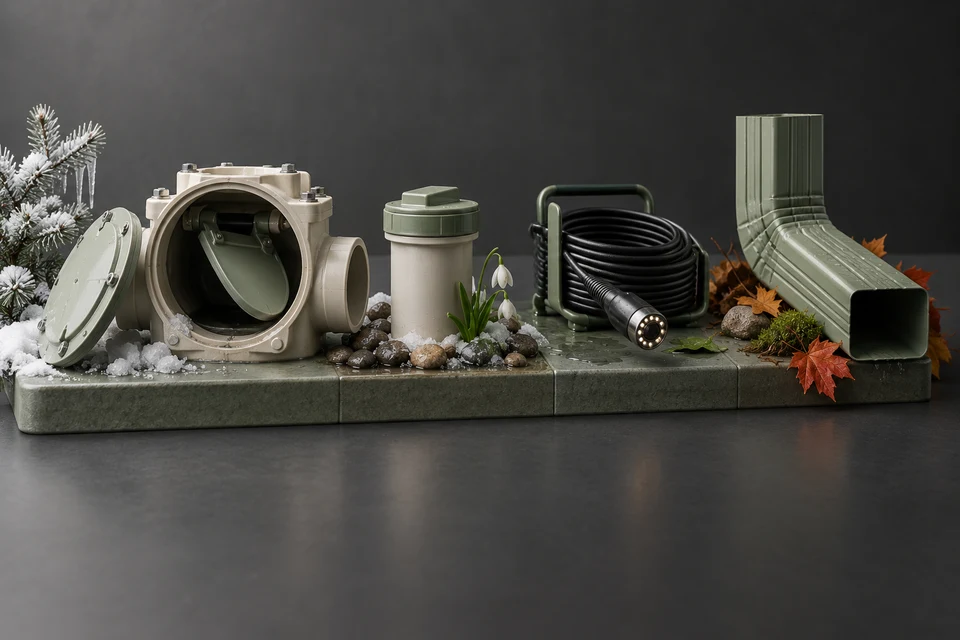
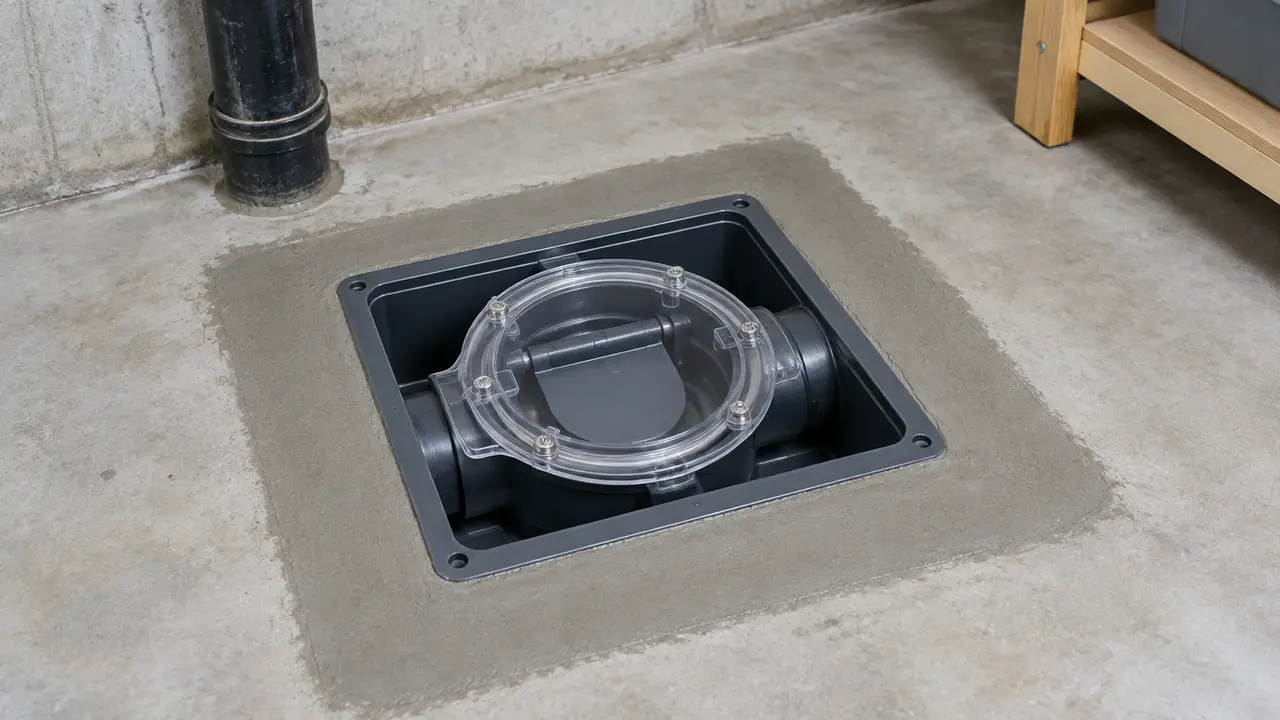
Open the access cover, check that the flap or gate moves freely, clear any debris, and confirm the cover seal is in good shape. Follow the manufacturer's instructions. The City's advice is simply to keep it properly serviced and maintained; if you are unsure how, have a plumber do it. A fuller routine is in backwater valve maintenance in Calgary.
- Test the sump pump
Pour a bucket of water into the pit and watch the float lift and the pump run. Check that water leaves the discharge outlet, well away from the house.
- Clean the gutters
Spring seed and catkin drop from poplars, maples and elms plugs gutters quickly. Clear them after it finishes and again after any hailstorm.
- Extend the downspouts
The City recommends pointing downspouts away from your house and neighbours, toward the front or rear of the property, at least six feet from the foundation.
- Check the grading
Soil next to the foundation should fall away from the walls. Settled backfill, especially near window wells and front steps, often slopes the wrong way.
- Clear the storm drain
Remove leaves, sticks and litter from the grate nearest your home when it is safe to do so.
- Know your cleanout
Find it, clear two metres around it, and make sure nothing is stored on top. A City crew or contractor will need it on the worst night of the year.
03 /Do Calgary gutters really matter for the sewer?
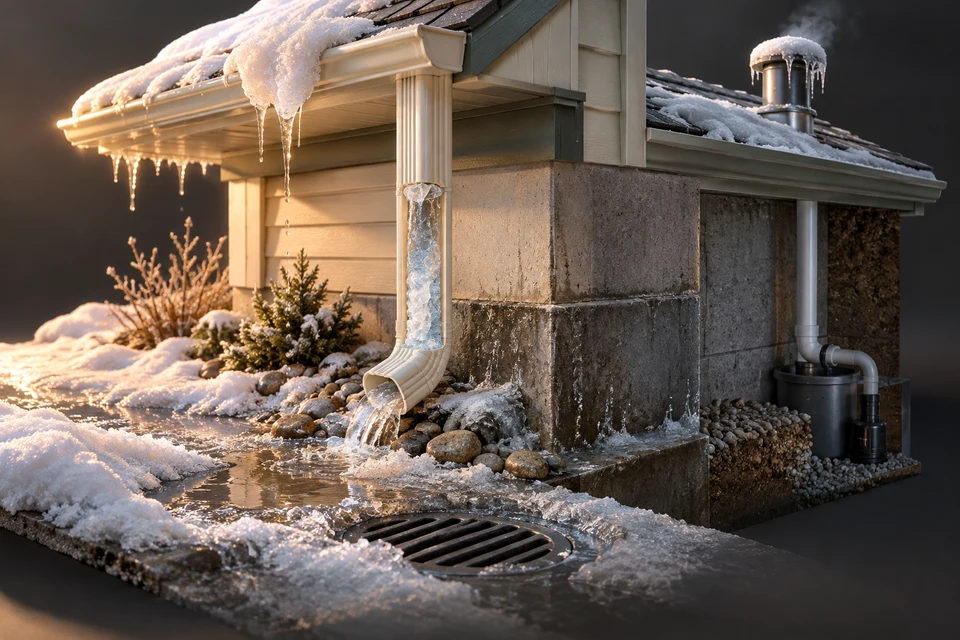
They matter for the basement, which is where sewer and water problems end up. Gutters and downspouts decide whether roof water, a large volume in a heavy storm, lands two metres from your foundation or right against it. Water against the foundation becomes seepage at the floor drain, and in some older houses may reach the sanitary plumbing through old connections.
- Clean gutters at least twice a year in Calgary: late spring after seed drop, and late fall after leaf drop, plus after hailstorms.
- Check that downspout elbows and extensions are attached and clear; hail often knocks them loose.
- Watch for gutters overflowing in a storm; that is a sign of blockage or undersized downspouts.
- Ladder work is a genuine fall risk, especially on two-storey houses and wet roofs. If you hire someone, the City lists handyman services among the businesses that require a City business licence, so ask for the licence number, and ask for proof of liability insurance.
Prices for gutter cleaning vary with storeys, roof shape, length and access; get written quotes that say whether downspouts are flushed and debris hauled away.
04 /What should you do on a storm day?
Watch the forecast, reduce water use when the rain is heaviest, and keep an eye on the lowest drain. Most storm backups happen in a window of an hour or two around the peak.
- When a severe thunderstorm warning is issued, move valuables and electronics off the basement floor.
- During the heaviest rain, postpone laundry, dishwashers and baths, especially if you have a backwater valve, which may close and turn your drains into a dead end.
- Check the floor drain and sump every so often from a dry spot.
- If water rises at the floor drain with everyone's water use stopped, call 311; it may be a surcharged main.
- Stay out of flooded basements where water could reach outlets or appliances.
- Do not open the cleanout to relieve pressure.
05 /What should you check after a storm?
Look while the evidence is fresh, and write it down.
- Open the backwater valve access and check for debris on the flap or seat.
- Check the sump pit level and the discharge outlet.
- Walk the gutters and downspouts from the ground; look for overflow stains and detached extensions.
- Report storm drains where water has not drained after 90 to 120 minutes through 311, and immediately if water is entering a building or vehicle.
- If you had water in the basement, photograph where it entered, note the time and whether neighbours had it too, and call your insurer.
- If the floor drain backed up, book a camera inspection once the weather settles, so you know whether it was the main, your line, or both.
The step-by-step backup sequence is in what to do in a Calgary sewer backup, and the tests for City versus private causes are in storm surcharge or private blockage.
06 /What if you live near the Bow, the Elbow or Nose Creek?
River flooding is a different risk from sewer backup, with its own maps and rules. The City says residents in flood-prone areas near the Bow River, Elbow River, Nose Creek or West Nose Creek should consult the Land Use Bylaw to determine whether a backflow prevention device is required, and a plumbing permit is required to install one. The device can be installed on the sewer pipe or on individual basement fixtures such as showers, toilets and sinks.
If you are in one of these areas and do not have a valve, get advice from a qualified plumber and confirm permit and bylaw requirements with the City before the season. If you do have one, service it every spring. For a broader look at how Calgary's sewer system and flood areas fit together, see CalgarySewers.ca.
07 /How does this fit into a year-round plan?
Storm season is one stretch of a Calgary year that also includes cold snaps, chinooks and freeze-up. The Calgary sewer season calendar lays out the base tasks for every month and adds items for your house era, backwater valve, sump and trees. The seasons overview explains why each month carries the risks it does. If your spring check turns up a stuck valve or a line that drains slowly, request a quote before the storms arrive, when contractors are less stretched.
FAQQuestions people ask
When is storm season in Calgary?
Heavy rain and thunderstorms are most common from late spring through summer, and hail is a summer hazard. Spring snowmelt before that already raises groundwater, so prepare in April or May.
How often should I test my backwater valve?
At least once a year, before storm season, and after any backup or major storm. Keep the access cover clear and follow the manufacturer's instructions; a plumber can service it if you are unsure.
Do I need a backwater valve in Calgary?
Not every home has one. Installing one takes a plumbing permit, the City says, and residents in flood-prone areas near the Bow, Elbow, Nose Creek or West Nose Creek should check the Land Use Bylaw to see whether one is required.
Should I stop using water during a storm?
During the heaviest rain, it helps to postpone laundry, baths and dishwashers, and it is essential if your backwater valve closes, because your own wastewater cannot leave while it is shut.
How often should gutters be cleaned in Calgary?
Usually twice a year: after spring seed drop and after fall leaf drop, plus after hailstorms that strip leaves and plug gutters and downspouts.
NETWORKGo deeper across the HAUSE Sewer network
Seasonal sewer risks: spring thaw, heavy rain and winter freeze
Seasonal sewer risks in Canada: spring thaw and snowmelt, summer storms and surcharges, fall roots and leaves, and winter freeze, with a checklist for each season.
SewerRoots.caHow to stop roots growing in a sewer line: every prevention method, ranked
How to stop roots growing in a sewer line: prevention methods ranked by whether they close the joint, from lining and point repair to barriers.
SewerInspector.caInspecting the sewer after a backup: finding out why it happened
Why a sewer camera inspection after a backup matters: private vs municipal causes, timing, what to record for insurance, and how to stop it happening again.